
The fragile two-week ceasefire brokered between Iran, the United States, and Israel is on the brink of collapse, as renewed Israeli strikes in Lebanon threaten to derail the agreement and merchant vessels continue to face significant risks in key Middle Eastern waterways.
Ceasefire Hangs by a Thread
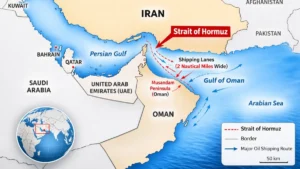
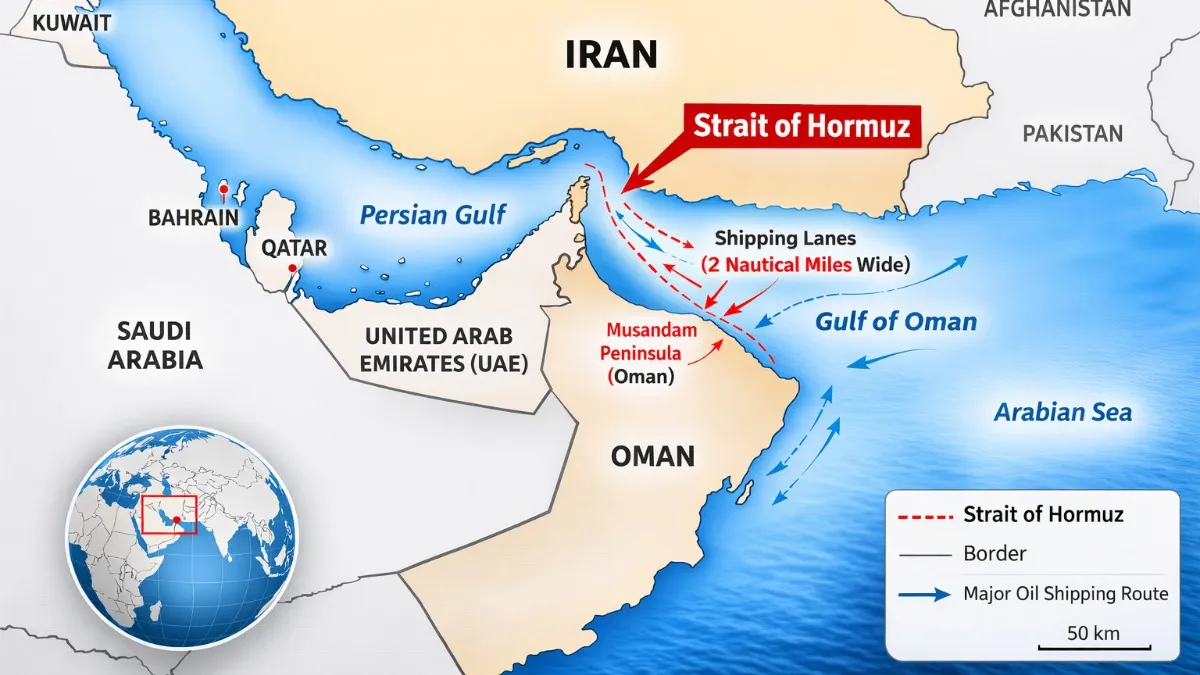
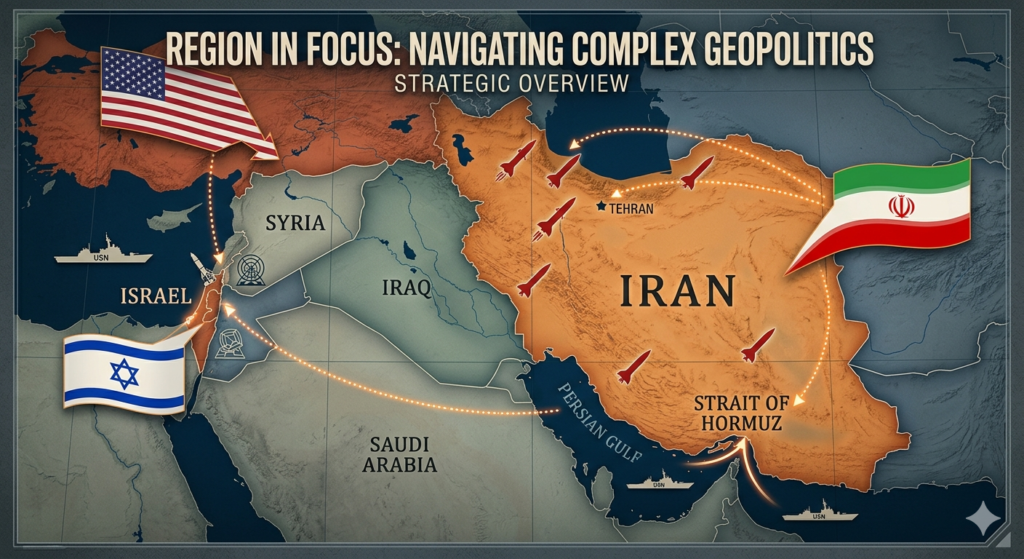
The truce, which came into effect earlier this week, was intended to de-escalate a month-long conflict that began with US-Israeli strikes on Iran on February 28 and has caused severe disruptions to global maritime trade. The deal included provisions for a controlled reopening of the strategic Strait of Hormuz, a vital chokepoint for about 20% of the world’s daily oil supply.
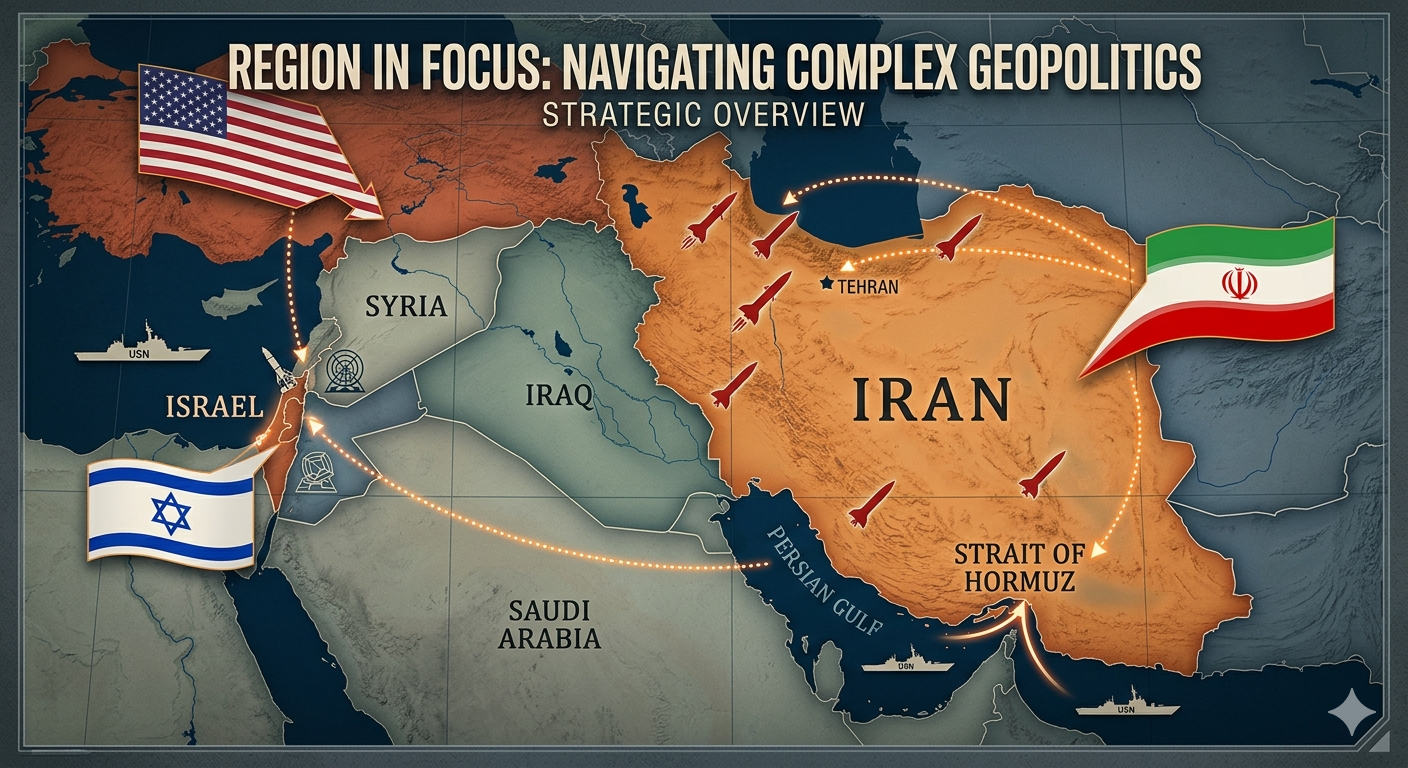
However, the agreement has been severely strained by Israel’s launch of its largest wave of strikes yet on Hezbollah targets across Lebanon, including in the capital Beirut. Iran has warned that it may withdraw from the ceasefire if these attacks do not stop, and has already retaliated by closing the Strait of Hormuz once again. The situation underscores the extreme volatility facing seafarers and ship operators in the region.
Merchant Vessels Under Fire
Even as diplomatic efforts continue, the threat to commercial shipping remains acute. The United Kingdom Maritime Trade Operations (UKMTO) has reported a fresh incident: a container vessel was struck by an unknown projectile approximately 25 nautical miles south of Iran’s Kish Island on April 7. The attack caused damage above the waterline, though the crew was reported safe.
This strike follows a pattern of deliberate targeting. On April 4, Iran’s Islamic Revolutionary Guard Corps (IRGC) claimed responsibility for hitting the Israel-linked vessel MCS Ishika with a drone in the Strait of Hormuz, setting the ship ablaze. Days later, on April 7, Iranian forces reportedly destroyed an Israeli container ship using ballistic missiles, alleging it was carrying military supplies.
The threat is not confined to the Gulf. Yemen’s Houthi rebels, aligned with Iran, continue to pose a serious risk in the Red Sea and Gulf of Aden. The U.S. Maritime Administration (MARAD) has warned that the Houthi threat remains active, despite a lull in attacks since the October 2025 Israel-Gaza ceasefire. The Houthis have recently claimed responsibility for targeting three Liberian-flagged vessels in the region. The combined threat from Iranian and Houthi forces, which have targeted over 100 merchant vessels with missiles and drones since late 2023, underscores the high-risk environment for commercial shipping.
US and International Response
In response to the escalating threats, the United States has taken several measures to protect merchant shipping. These include:
· The launch of Operation Prosperity Guardian, a multinational naval task force to secure the Red Sea.
· A new MARAD advisory urging U.S.-flagged vessels to turn off their Automatic Identification System (AIS) transponders in high-risk areas to reduce the risk of being tracked and targeted.
· Direct engagement with Iranian forces, including the sinking of three Houthi boats attempting to board a container ship in the Red Sea.
· Ongoing naval escort options for vessels transiting the Strait of Hormuz.
Despite the ceasefire, the U.S. Navy continues to operate at a heightened state of readiness, and shipping companies remain deeply cautious. Major lines have stated they will only resume normal operations once they have “enough security certainty” and clear guidance from insurers and naval authorities.
Shipping Traffic Grinds to a Halt
The impact on global trade has been staggering. Ship traffic through the Strait of Hormuz has plummeted to an average of just seven vessels per day, compared to over 130 before the war. Over 800 ships remain stranded inside the Persian Gulf, unable to safely transit the narrow waterway. Analysts warn that even if the strait were to reopen fully, it could take weeks or months for global supply chains to recover.
The International Chamber of Shipping has called for “an immediate return to freedom of navigation” and for states to work with the industry to ensure safe and orderly transits. However, with Iran retaining significant anti-ship capabilities—including missiles, drones, fast attack craft, and naval mines—and the ceasefire faltering, the immediate outlook for merchant shipping remains highly uncertain.
Implications for the Merchant Navy
The ongoing conflict and its associated disruptions have far-reaching consequences for the global merchant fleet:
· Extended Voyages and Higher Costs: Many vessels are rerouting around Africa, adding significant time and fuel costs to each voyage.
· Increased Insurance Premiums: War risk premiums for ships transiting the region have skyrocketed, driving up operational expenses.
· Crew Safety Concerns: Seafarers face direct physical danger from missile and drone attacks, as well as the psychological toll of operating in a war zone.
· Supply Chain Instability: Delays in the delivery of critical goods, including energy supplies and manufactured products, ripple across the global economy.
Merchant mariners are advised to maintain the highest level of vigilance, coordinate closely with naval authorities like NAVCENT and UKMTO, and strictly adhere to all security advisories issued by flag states and industry bodies.
This article will be updated as the situation develops