
Freshwater on board ships is used for a variety of purposes. From domestic uses such as drinking and washing to ship operation purposes such as machinery cooling and cleaning, fresh water is of utmost importance on board ships.
Though freshwater generators are installed on ships to convert sea water to salt water, they are usually of smaller capacities, supplying less quantity than demanded. Moreover, it’s not feasible to take freshwater and store in tanks on every port (Shipping companies have to pay for it). Thus, crew members are advised to reduce fresh water consumption on board ships as much as possible.
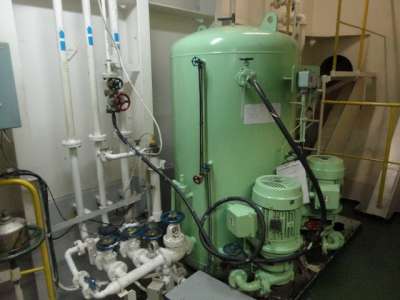 Another issue that arises out of over-consumption of freshwater is rapid filling of sewage water tank and continuous running of sewage treatment plant. Nowadays, due to stringent waste water discharge regulations, ships are not allowed to discharge grey water in several areas around the world. Several countries allow discharge of grey water only after it is passed through the sewage treatment plant. This makes fresh water consumption even more important.
Mentioned below are 10 ways in which fresh water consumption can be practiced on board ships.
1. Advice Crew Not To Waste Water: The ship’s master must advice the crew to avoid unnecessary wastage of freshwater during domestic use. Fresh water usage can also be reduced by creating awareness for the importance of fresh water and adequate usage of the same on board ships.
2. Repair Accommodation Leakages Immediately : Leakages of freshwater in the accommodation not only leads to wastage but also unnecessary filling of waste water tank. Leakages in freshwater pipelines must be attended at the earliest.
3. Reduce the Flow of Shower Head: One useful way to reduce freshwater consumption in the accommodation area is by reducing the flow of shower head in all officer and crew cabins. The same can also be done with toilet flushes.
4. Check the Pressure of Hydrophore: To reduce the flow of freshwater coming out of the taps and also to prevent leakages, avoid raising the pressure of the hydrophore above 80% of the design pressure of the pipes.
5. Vacuum Toiler System : Though this is more of a design related solution, it is found that ships with vacuum toiler system tend to save a lot of water than those having water flush system. According to some reports, the vacuum toilet system reduces water consumption from 8 liters to 1 liters per flush.
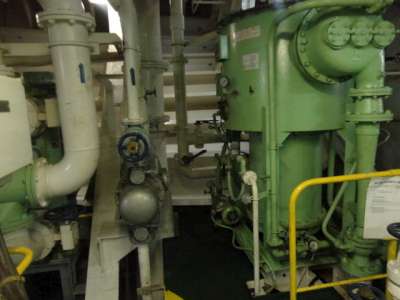 6. Use Washing Machine Judiciously: Washing machine is one equipment which tends to consume massive quantity of freshwater on board ships. In order to save freshwater consumption in washing machines, use them to their full capacities and avoid washing with less number of clothes.
7. Keep a Track of Fresh Water Quantity: Keep a proper track of freshwater consumption in the ship’s engine room and accommodation. Search for faults and rectify them at the earliest in systems/areas which are consuming more freshwater than normal.
8. Thoroughly Check Main Engine and Auxiliary Engine Jacket Water Systems: Keep a close watch on the main engine and auxiliary engine jacket water systems as they are the largest consumers of freshwater. Failing to rectify leakages in these systems can lead to loss of huge quantity of freshwater.
9. Frequently Check the Salinometer: It is extremely important to frequently check the salinometer of the FWG. There have been several cases in the past where the salinometer has stopped functioning, leading to total contamination of freshwater in the freshwater tank as a result of mixing with sea water.
10. Check Boiler Frequently: Boiler is yet another machinery in the ship’s engine room which consumes a lot of water. Check boiler for water and steam leakages to prevent loss of large quantity of fresh water.
Apart from the mentioned common ones, there are several other places on the ship where fresh water wastage is seen. If you know any other important point that must be added to the list to save freshwater, let us know in the comments below.