
7 Underrated Marine Technologies That Can Give Promising Results
Just like in any other industry, research and development consume a majority of investments in the maritime industry as well. With introduction of stricter environmental
Just like in any other industry, research and development consume a majority of investments in the maritime industry as well. With introduction of stricter environmental

Diesel engine for propelling ships came in to picture in the early 19th century. They not only helped to reduce the heat losses (steam engines) from


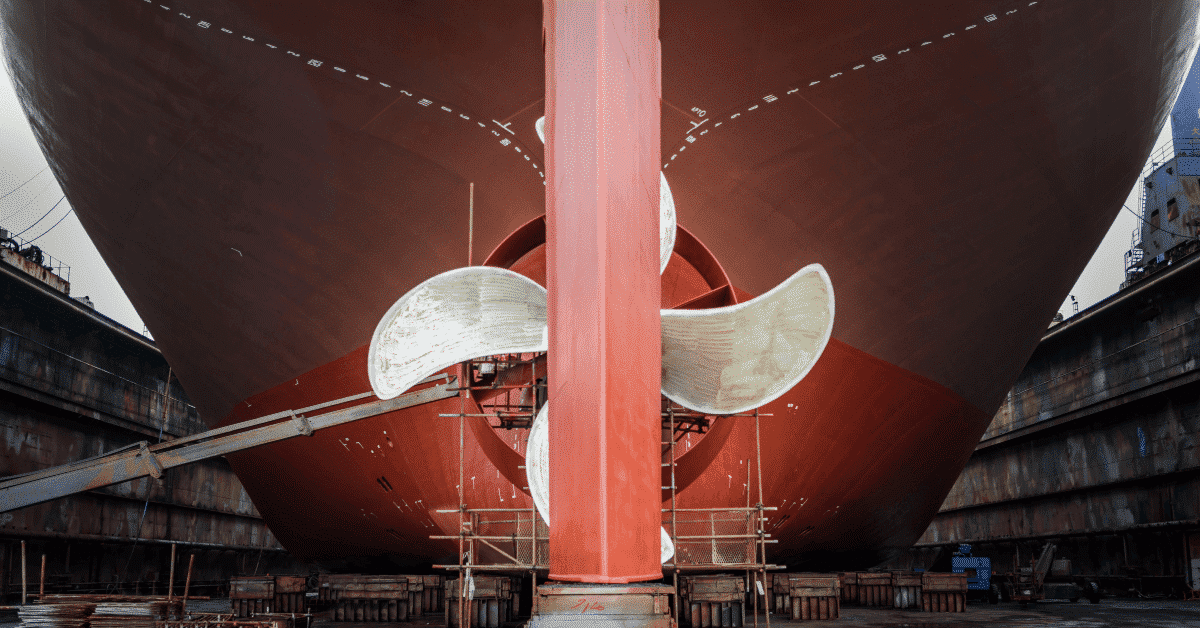
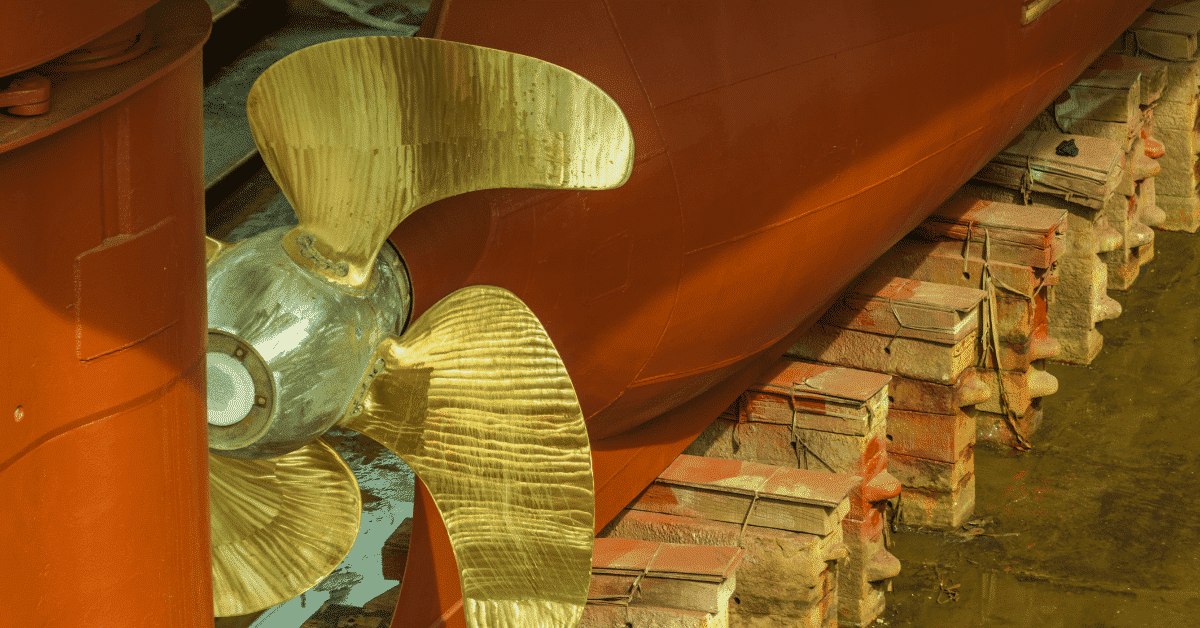
The driving force of a ship comes from the rotation of propeller(s), which is attached to the main engine of the ship. The two main


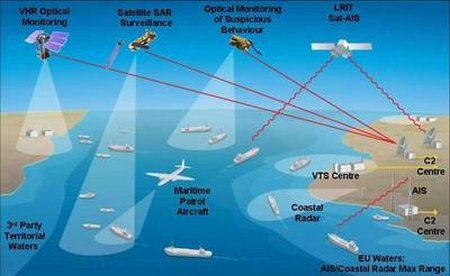
In the ever changing times today, just as much benefit can be drawn from the maritime industry, the same number of threats is faced by


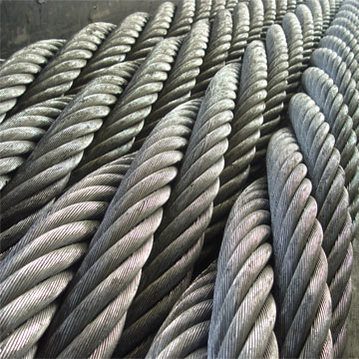
Wire ropes for ships are used in a global marine environment that is typically harsh. Seafarers must conform to universal good practices of marine wire


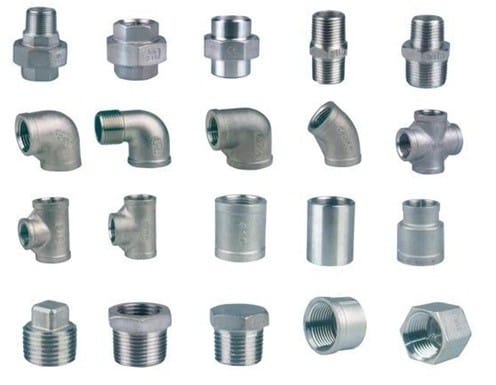
This article is a continuation of the series of articles which explains piping engineering as practically required on ships. The article discusses various types of


The intention behind sending a ship to the dry dock at regular intervals of time is to inspect those parts which are technically difficult to


In our last article Pipes and Bends – An Essential Guide for Second Engineers – Part 2 we discussed about bends, elbows and miter bends.


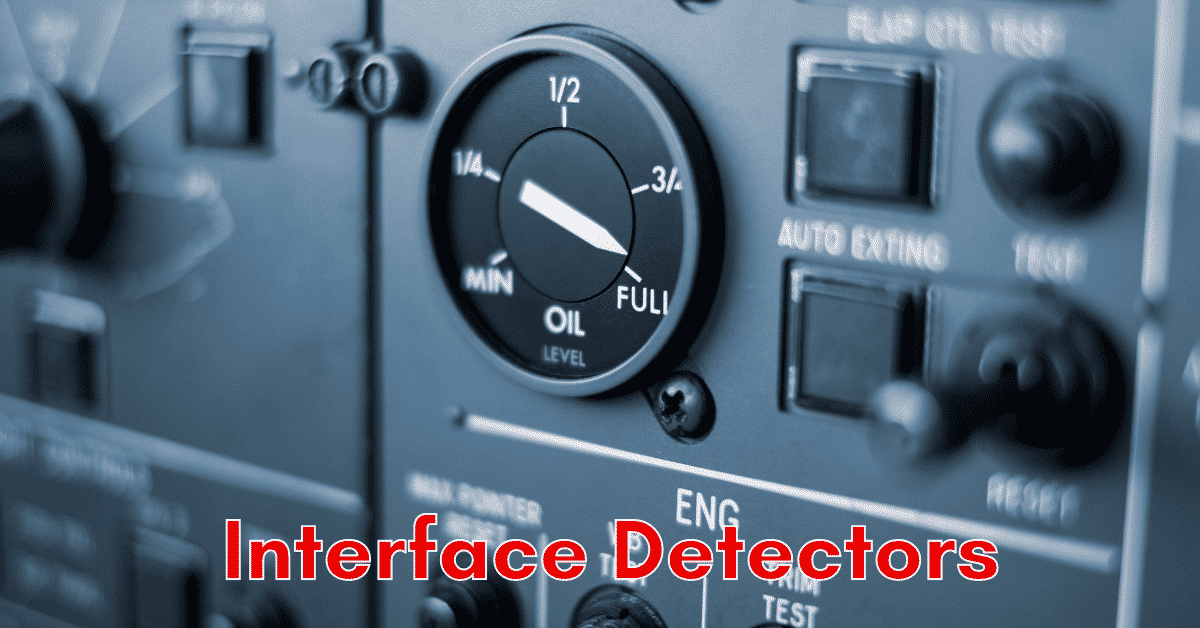
According to IMO’s resolution of Marine Environment Protection Committee 5 (XIII), oil tankers shall be provided with effective oil/water interface detectors approved by the administration
We believe that knowledge is power, and we’re committed to empowering our readers with the information and resources they need to succeed in the merchant navy industry.
Whether you’re looking for advice on career planning, news and analysis, or just want to connect with other aspiring merchant navy applicants, The Marine Learners is the place to be.